Operational History & Architecture
An objective technical analysis of the Black Ops Market Link ecosystem, documenting its evolution, security infrastructure, and role within the decentralized hidden service network.
01. Executive Summary
Black Ops Market Link (often referred to simply as "BlackOps") is a third-generation hidden service operating on the Tor network. Established to address the scalability and security flaws inherent in previous market iterations, the platform utilizes a custom-built backend designed for high concurrency and cryptographic resilience.
Unlike earlier centralized platforms, Black Ops Market Link employs a distributed mirror system to mitigate Distributed Denial of Service (DDoS) attacks. The architecture prioritizes user anonymity through forced PGP encryption for 2-Factor Authentication (2FA) and communication, alongside a strict Monero (XMR) settlement layer for financial privacy.
CORE OBJECTIVES
- ▹ Eliminate single points of failure via decentralized mirror rotation.
- ▹ Enforce operational security (OpSec) standards on all participants.
- ▹ Provide a walletless or direct-pay infrastructure to minimize custodial risk.
NETWORK PARAMETERS
02. Technical Architecture
The platform's backend infrastructure is noted for its utilitarian design, prioritizing speed and security over aesthetic embellishments. The system requires JavaScript to be disabled for maximum security, relying on server-side rendering for all functionality.
Anti-DDoS Shield
Black Ops Market Link utilizes a custom "Endgame" style DDoS filter. This requires users to solve a cryptographic clock puzzle (PoW) before accessing the main login gateway, effectively filtering botnet traffic.
PGP Implementation
Encryption is not optional. The platform enforces PGP key registration upon signup. All sensitive data, including shipping addresses and dispute communications, are auto-encrypted using the recipient's public key.
Crypto Agnosticism
While Bitcoin is supported for legacy reasons, the architecture is optimized for Monero (XMR). The internal mixer cycles coins through sub-addresses to break blockchain analysis heuristics before funds reach vendor wallets.
03. Interface Analysis
REF: UI-UX-2025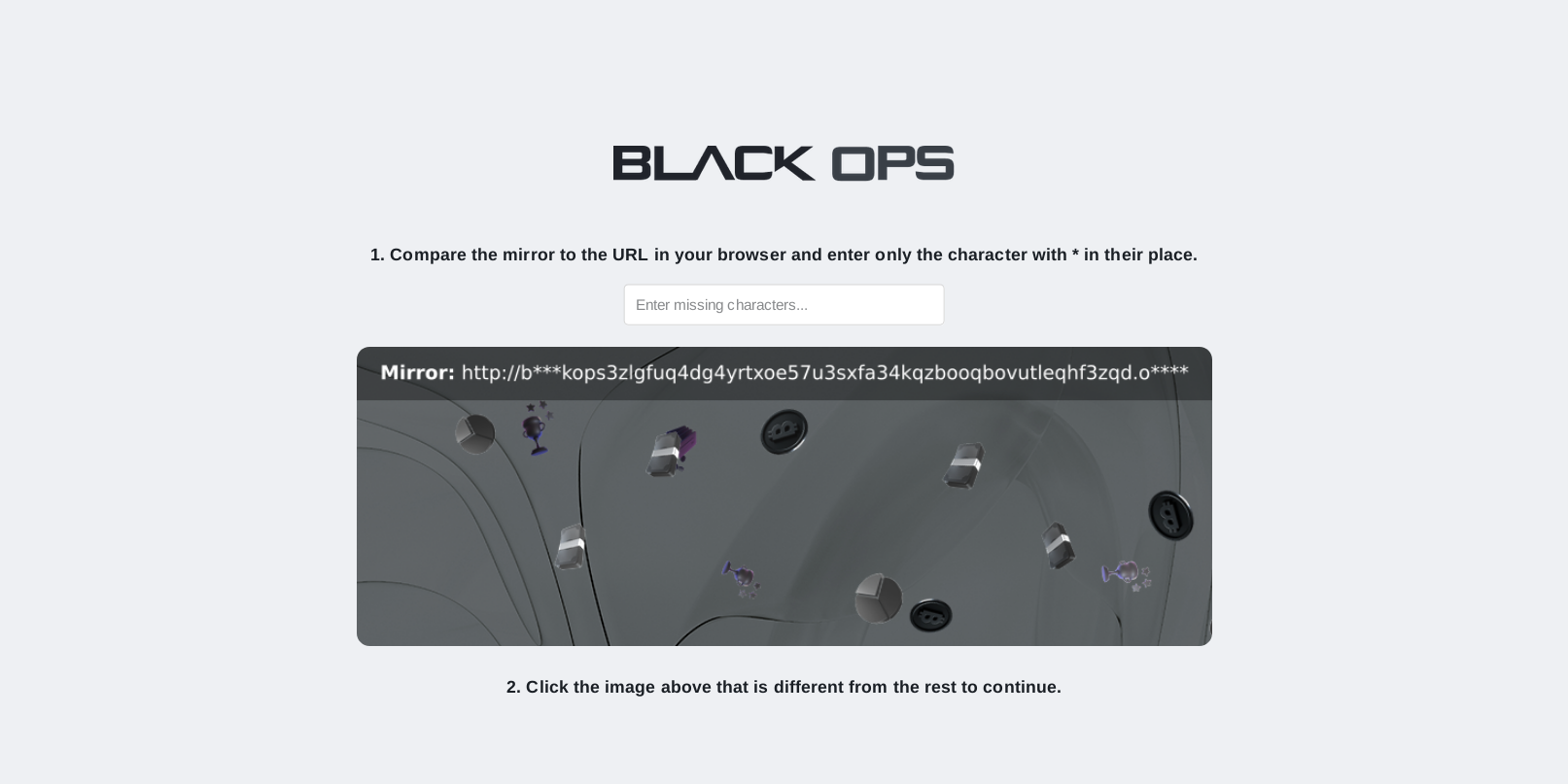
FIG 1.0
DDoS Mitigation Layer
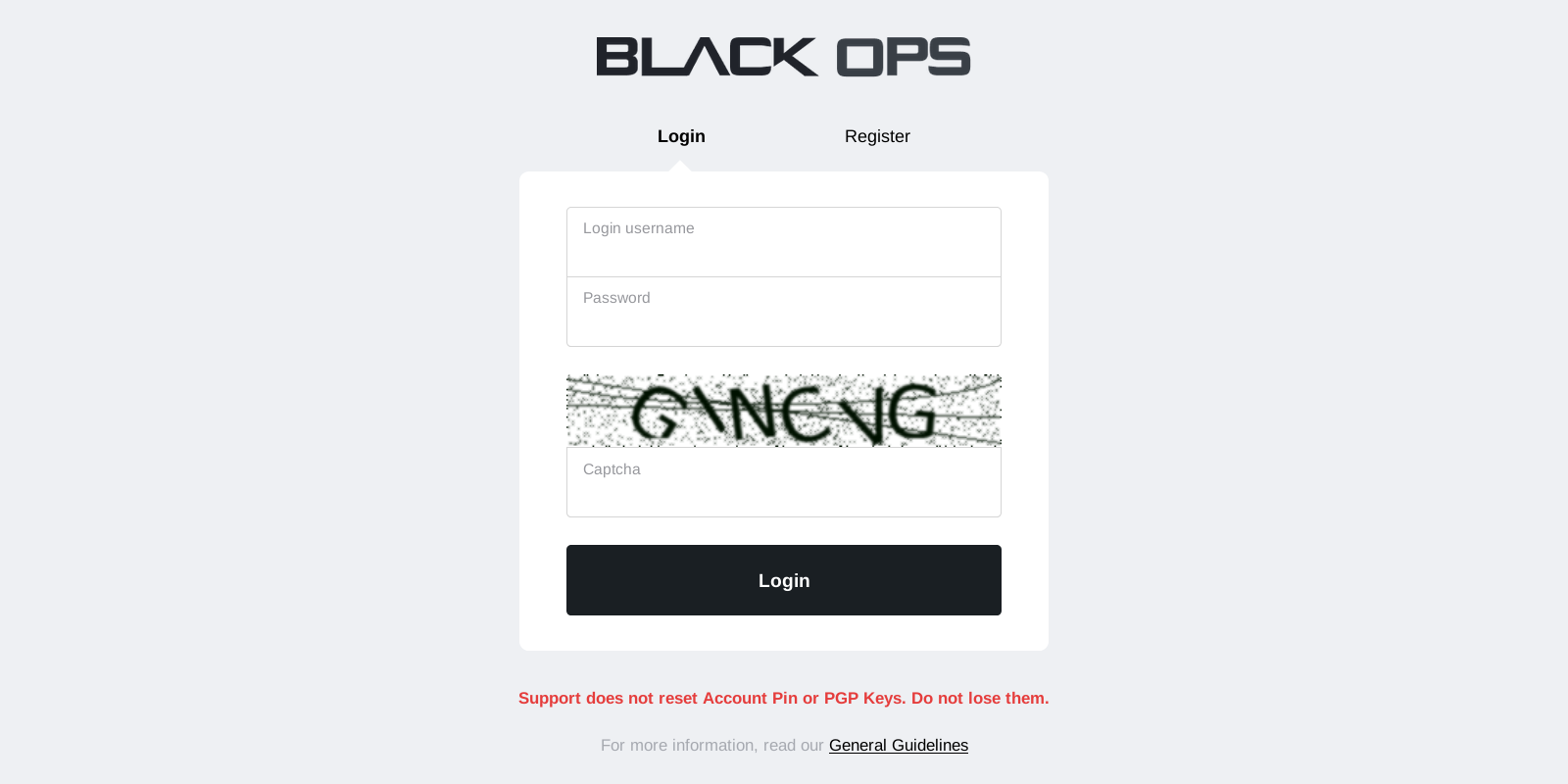
FIG 1.1
Encrypted Login
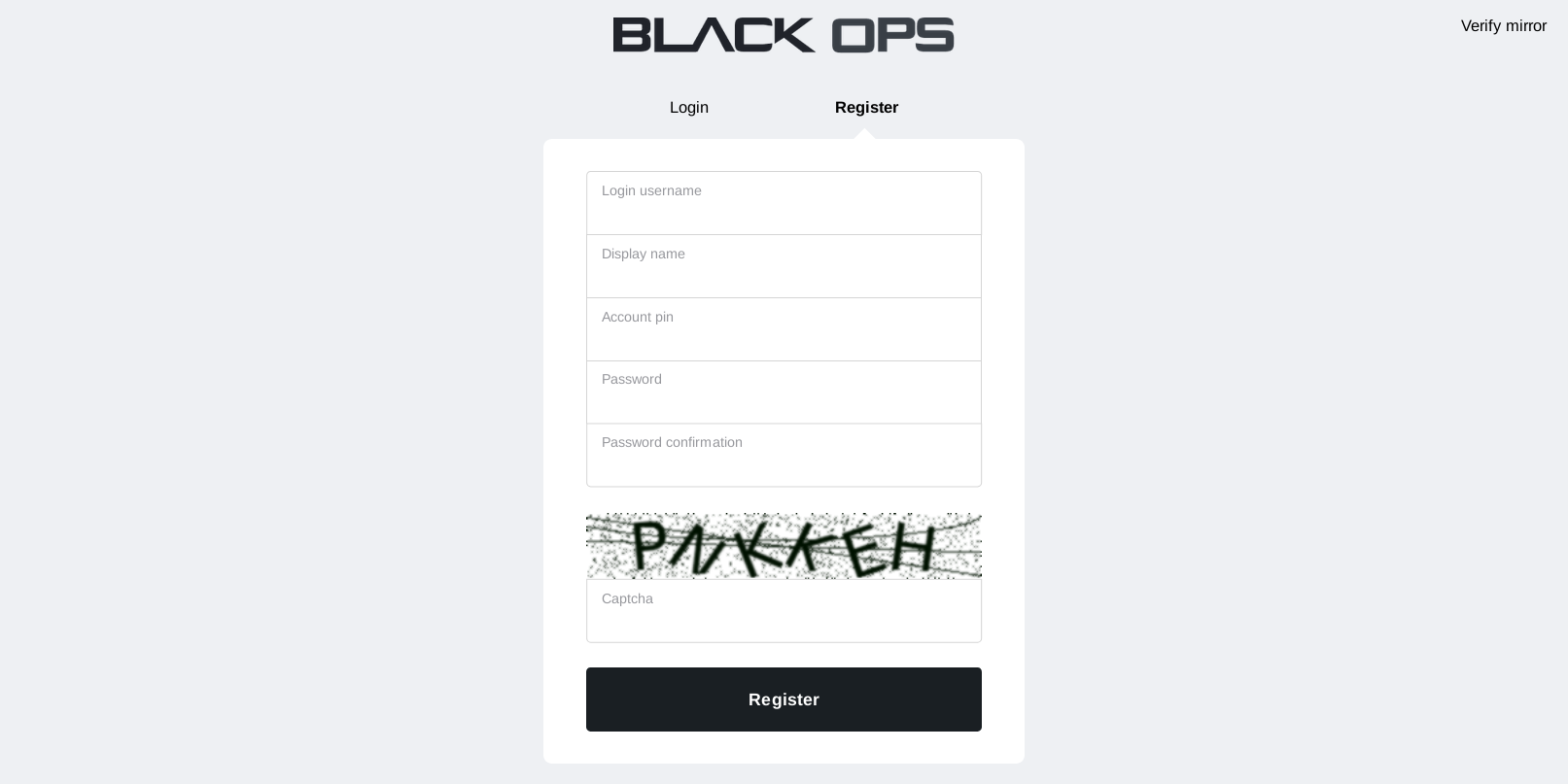
FIG 1.2
Seed Generation
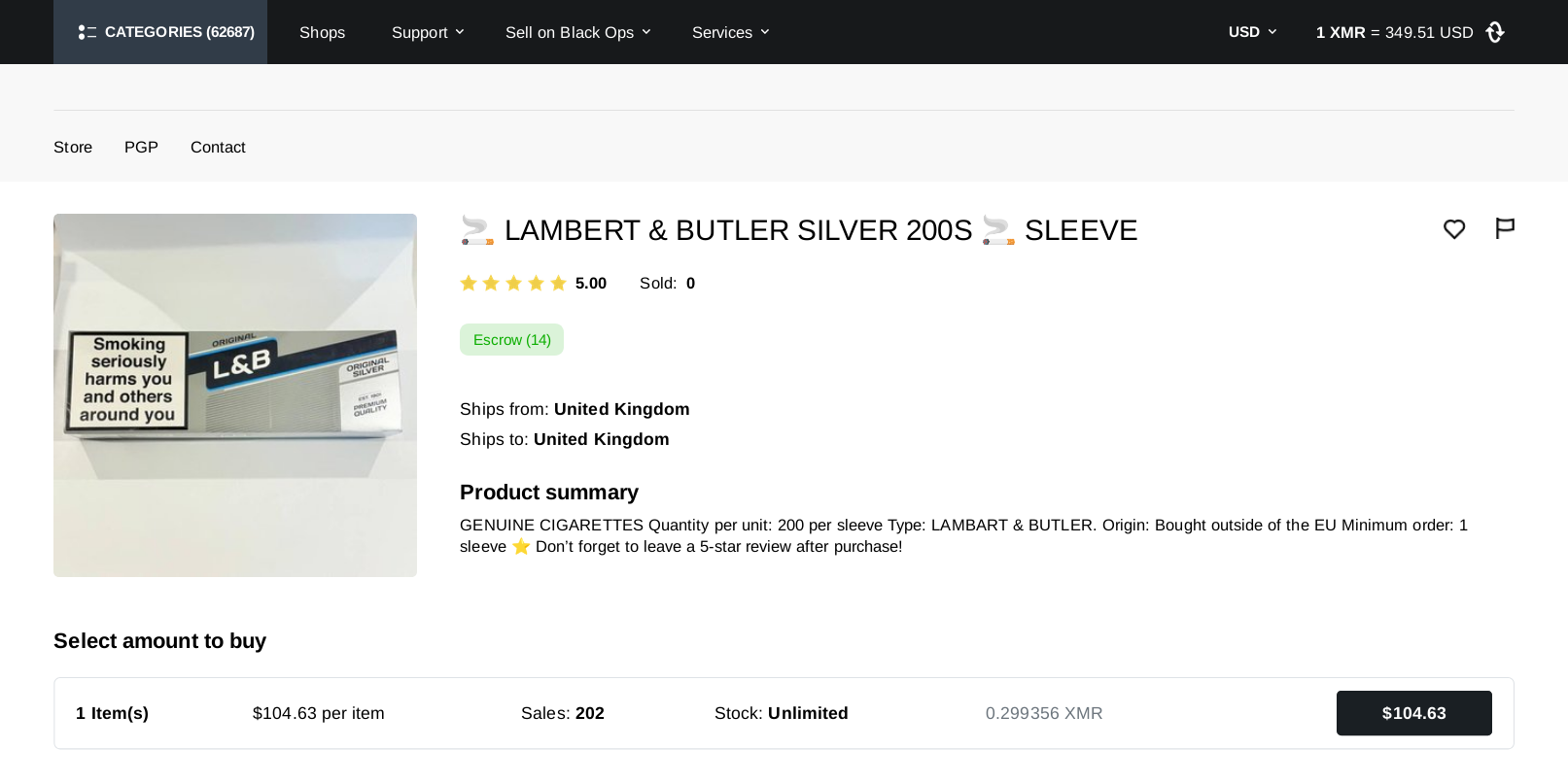
FIG 1.3
User Dashboard
04. Historical Timeline
Initial Deployment
Q3 2022Black Ops Market Link infrastructure is first detected on the Tor network. Initial rollout was limited to private invite keys to stress-test the escrow system without heavy traffic load.
Monero Integration Update
Q1 2023Following industry trends towards privacy coins, the platform deprecated Bitcoin-only wallets and introduced native XMR support, mandating it for vendor bonds to ensure financial privacy.
Mirror Rotation Protocol
Q4 2023In response to heavy DDoS attacks targeting major darknet hubs, Black Ops Market Link implemented the current rotational mirror system, allowing users to verify signed mirrors via PGP.
Current State
Present DayThe platform currently operates as a stabilized, invite-optional marketplace. It maintains a reputation for high uptime and strict vendor vetting processes.
Community Analysis
Observers note that the Black Ops Market Link community is characterized by a high barrier to entry. Unlike "tourist" friendly sites, the requirement for PGP knowledge and XMR acquisition filters the user base to technically competent individuals.
Vendor verification involves a strict bond payment (typically $500-$1000 in XMR) and a vetting process based on reputation imported from other established markets (Recon system).